The lab conducts theory-driven, methodologically rigorous research on addiction, integrating experimental paradigms with advanced statistical modeling and multimodal neuroimaging to investigate the neurobehavioral mechanisms underlying substance use and relapse.
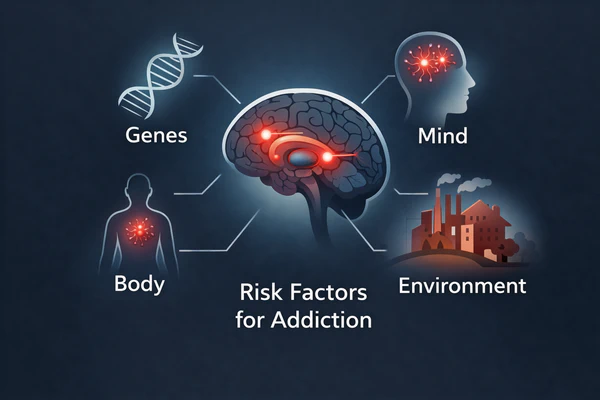
Why do some people become addicted to drugs while others do not?
Individual differences in genetic, neurobiological, and psychosocial vulnerability interact with environmental exposures to determine susceptibility to addiction.
vulnerability
reward sensitivity
cognitive control
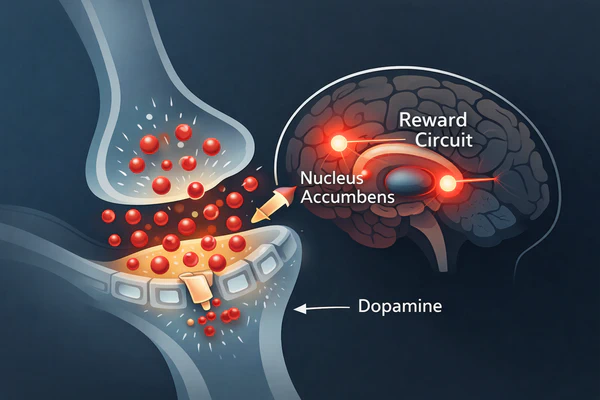
What are the effects of drugs on the brain?
Drugs of abuse induce acute and chronic neuroadaptations in reward, salience, and cognitive control circuits that alter motivation and behavior.
neuroadaptation
dopamine
reward circuitry
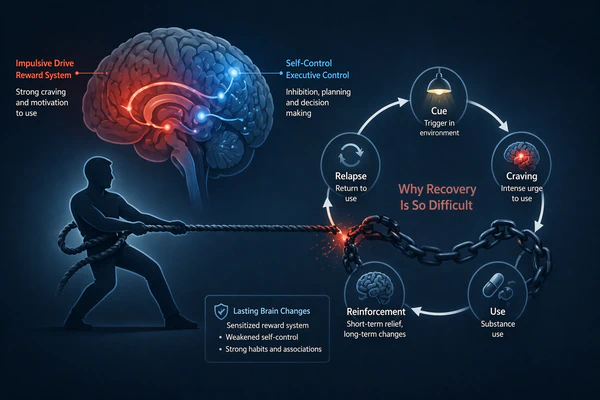
Why is it so difficult to change addictive behaviors and recover from addiction?
Persistent dysregulation of motivational and executive systems, coupled with conditioned cues and stress reactivity, sustains compulsive use and relapse risk.
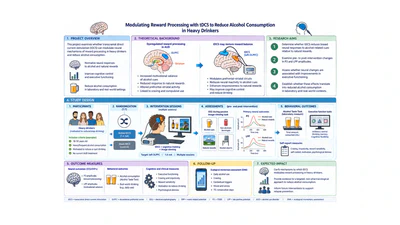
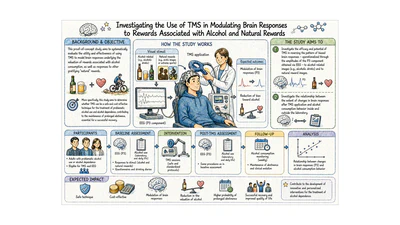
Testing whether excitatory tDCS over the left DLPFC can rebalance neural reward processing in heavy drinkers—reducing biased responses to alcohol cues, enhancing responsiveness to …
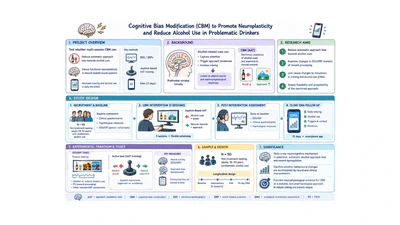
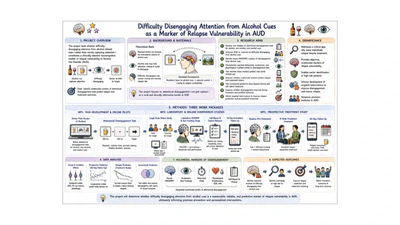
Investigating attentional biases and attention disengagement from substance-related stimuli as behavioral and neural prognostic indicators of relapse and treatment failure in …
This project aims to identify neurobiological and cognitive-behavioral markers of alcohol use disorder (AUD) and evaluate their utility for predicting relapse after treatment. The …
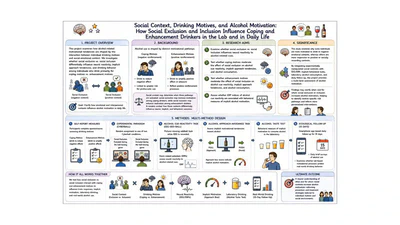
Examining how social exclusion and social inclusion shape neural alcohol cue reactivity, implicit approach tendencies, laboratory alcohol consumption, and 15-day daily drinking as …
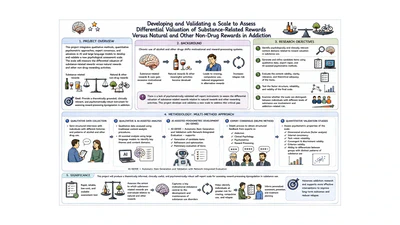
Developing and validating a new psychological assessment scale to measure the differential valuation of substance-related rewards versus natural rewards and other non-drug …
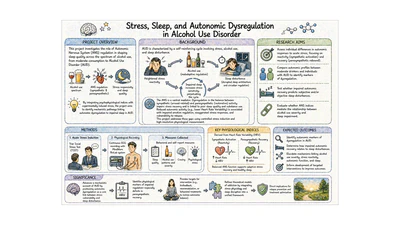
Investigating the role of Autonomic Nervous System regulation in shaping sleep quality across the spectrum of alcohol use, from moderate consumption to Alcohol Use Disorder.
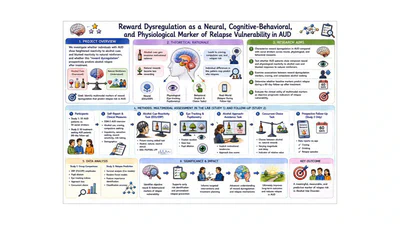
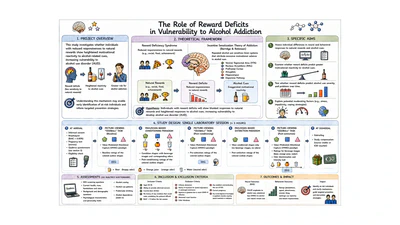
Investigating whether individual differences in reward processing deficits contribute to vulnerability to alcohol addiction by increasing susceptibility to incentive salience …
Disclaimer: The PDF files made available on this page are provided for personal use and academic purposes only, in accordance with applicable copyright regulations. They may not be used for commercial purposes or redistributed without permission. The final, authoritative versions of all publications are available through the respective publishers' websites.
Freeman, C., Radoman, M., Martins, J. S., Lacadie, C., Seo, D., & Sinha, R. (in press). Sex differences in neural stress and alcohol cue related activation and subjective alcohol craving in binge versus light-moderate drinkers. Neuropsychopharmacology.
Gomes, N., Benrós, M. F., Martins, J. S., & Semin, G. R. (2025). Sweating it out: A data-driven approach revealing how sex and emotions shape sweat production. Biological Psychology, 201, 109125. https://doi.org/10.1016/j.biopsycho.2025.109125
Seo, D., Martins, J. S., & Sinha, R. (2024). Brain correlates and functional connectivity linking stress, autonomic dysregulation, and alcohol motivation. Neurobiology of Stress, 11(58), 653–661. http://doi.org/10.1016/j.ynstr.2024.100645
Wemm, S. E., Martins, J. S., Fogelman, N., Max, G., & Sinha, R. (2023). Patients with AUD exhibit dampened heart rate variability during sleep as compared to social drinkers. Alcohol and Alcoholism, 58(6), 653–661. https://doi.org/10.1093/alcalc/agad061
Choi, J. J., Martins, J. S., Hwang, S., Kim, K., Sinha, R., & Seo, D. (2022). Neural correlates linking trauma and physical symptoms. Psychiatry Research: Neuroimaging, 327, 111560. https://doi.org/10.1016/j.pscychresns.2022.111560
Martins, J. S., Fogelman, N., Wemm, S., Hwang, S., & Sinha, R. (2022). Alcohol craving and withdrawal at treatment entry prospectively predict alcohol use outcomes during outpatient treatment. Drug and Alcohol Dependence, 231, 109253. http://doi.org/10.1016/j.drugalcdep.2021.109253
Martins, J. S., Joyner, K. J., McCarthy, D. M., Morris, D. H., Patrick, C. J., & Bartholow, B. D. (2021). Differential brain responses to alcohol-related and natural rewards is associated with alcohol use and problems: Evidence for reward dysregulation. Addiction Biology, 27(2), e13118. https://doi.org/10.1111/adb.13118
Hwang, S., Martins, J. S., Douglas, R., Choi, J., Sinha, R., & Seo, D. (2021). Irregular autonomic modulation predicts risky drinking and altered ventromedial prefrontal cortex response to stress in alcohol use disorder. Alcohol and Alcoholism, 57(4), 437–444. https://doi.org/10.1093/alcalc/agab064
Cofresí, U. R., Watts, A. L., Martins, J. S., Wood, P. K., Sher, K. J., Cowan, N., Miyake, A., & Bartholow, B. D. (2021). Acute effect of alcohol on working memory updating: A latent variable analysis. Addiction, 116, 3029–3043. https://doi.org/10.1111/add.15506
Martin, J. L., Ferreira, J. A., Haase, R. F., Martens, M. P., Coelho, M., Martins, J. S., Jome, L. M., & Santos, E. R. (2020). The influence of personality and drinking motives on college student binge drinking in the US and Portugal. European Journal of Health Psychology, 27, 30–42. https://doi.org/10.1027/2512-8442/a000047
Von Gunten, C. D., Bartholow, B. D., & Martins, J. S. (2020). Inhibition tasks are not associated with a variety of behaviours in college students. European Journal of Personality, 34, 412–430. https://doi.org/10.1002/per.2250
Martins, J. S., Bartholow, B. D., Cooper, M. L., Irving, K. M., & Piasecki, T. M. (2019). Interactive effects of naturalistic drinking context and alcohol sensitivity on neural alcohol cue-reactivity responses. Alcoholism: Clinical & Experimental Research, 43, 1777–1789. https://doi.org/10.1111/acer.14134
Miller, A. P., Gizer, I. R., Fleming, W. A., Otto, J. M., Deak, J. D., Martins, J. S., & Bartholow, B. D. (2019). Polygenic liability for schizophrenia predicts shifting-specific executive function deficits and tobacco use in a moderate drinking community sample. Psychiatry Research, 279, 47–54. https://doi.org/10.1016/j.psychres.2019.06.025
Bartholow, B. D., Fleming, K. A., Wood, P. K., Cowan, N., Saults, J. S., Altamirano, L., Miyake, A., Martins, J. S., & Sher, K. J. (2018). Alcohol effects on response inhibition: Variability across tasks and individuals. Experimental and Clinical Psychopharmacology, 26, 251–267. https://doi.org/10.1037/pha0000190
Martins, J. S., Bartholow, B. D., Cooper, M. L., Von Gunten, C., & Wood, P. K. (2018). Associations between executive functioning, affect-regulation drinking motives, and alcohol use and problems. Psychology of Addictive Behaviors, 32, 16–18. https://doi.org/10.1037/adb0000324
Couture, M. E., Stewart, S. H., Cooper, M. L., Kuntsche, E., O’Connor, R. M., Mackinnon, S. P., & DRINC Team. (2017). The DRINC Project: Rationale and protocol for a cross-national study of drinking motives in undergraduates. The International Journal of Alcohol and Drug Research, 6, 7–18. https://doi.org/10.7895/ijadr.v6i1.239. Member of the DRINC Team.
Mackinnon, S. P., Couture, M. E., Cooper, M. L., Kuntsche, E., O’Connor, R. M., Stewart, S. H., & DRINC Team. (2017). Cross-cultural comparisons of drinking motives in 10 countries: Data from the DRINC Project. Drug and Alcohol Review, 36, 721–730. https://doi.org/10.1111/dar.12464. Member of the DRINC Team.
Martin, J. L., Ferreira, J. A., Haase, H. F., Martins, J. S., & Coelho, M. (2016). Validation of the Drinking Motives Questionnaire-Revised across US and Portuguese college students. Addictive Behaviors, 60, 58–63. https://doi.org/10.1016/j.addbeh.2016.03.030
Cooper, M. L., O’Hara, R. E., & Martins, J. S. (2015). Does drinking improve the quality of sexual experience? AIDS and Behavior, 20, 40–51. https://doi.org/10.1007/s10461-015-1136-5
Ferreira, J., Martins, J. S., Coelho, M., & Kahler, W. (2014). Validation of Brief Young Adult Alcohol Consequences Questionnaire (B-YAACQ): Portuguese version. Spanish Journal of Psychology, 17, E71. https://doi.org/10.1017/sjp.2014.74
Martins, J. S., Coelho, M. S., & Ferreira, J. A. (2010). Hábitos de consumo de álcool em estudantes do ensino superior universitário: Alguns dados empíricos. Psychologica, 53, 397–411. https://doi.org/10.14195/1647-8606_53_19
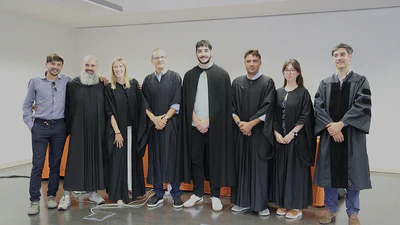
Jorge Martins served as a principal examiner at the public PhD defense of Rui Pedro Serafim Rodrigues at the University of Minho, where the jury unanimously approved the candidate …
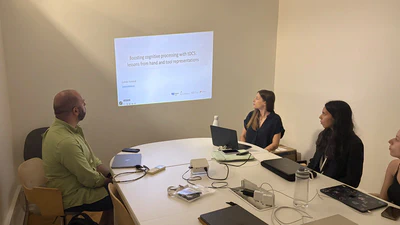
The NeuroAdx Lab welcomed Dr. Lénia Amaral for a talk on how transcranial direct current stimulation (tDCS) modulates the neural processing of hands and tools.
We are always looking for talented and motivated students, trainees, and researchers to join our lab. We have openings for Ph.D. students, postdoctoral researchers, and research assistants. Please feel free to contact Dr. Jorge Martins directly.